Quick Summary: A single faulty part can cost thousands in repairs and endanger patient safety. This guide walks through the 8 critical factors — from quality certifications and brand compatibility to pricing transparency and compliance documentation — that hospitals, ISOs, and distributors should evaluate when choosing an endoscope parts supplier.
In This Guide
- Why Supplier Selection Matters in Endoscopy
- Factor 1: Quality Certifications
- Factor 2: Brand Compatibility Range
- Factor 3: Product Testing and Quality Control
- Factor 4: Pricing Transparency
- Factor 5: Lead Time and Inventory
- Factor 6: Technical Support and After-Sales Service
- Factor 7: Track Record and References
- Factor 8: Compliance and Documentation
- Supplier Evaluation Checklist
- Red Flags to Watch For
- Frequently Asked Questions
A single faulty biopsy channel can cost your facility thousands in repairs, endanger patient safety, and trigger regulatory scrutiny. Yet 60% of healthcare supply chain leaders cite regulatory compliance as their primary pain point when sourcing medical devices.
With the U.S. endoscope repair market reaching $533.5 million in 2024 and projected to hit $990.7 million by 2030, hospitals and independent service organizations face mounting pressure to balance cost efficiency with quality assurance.
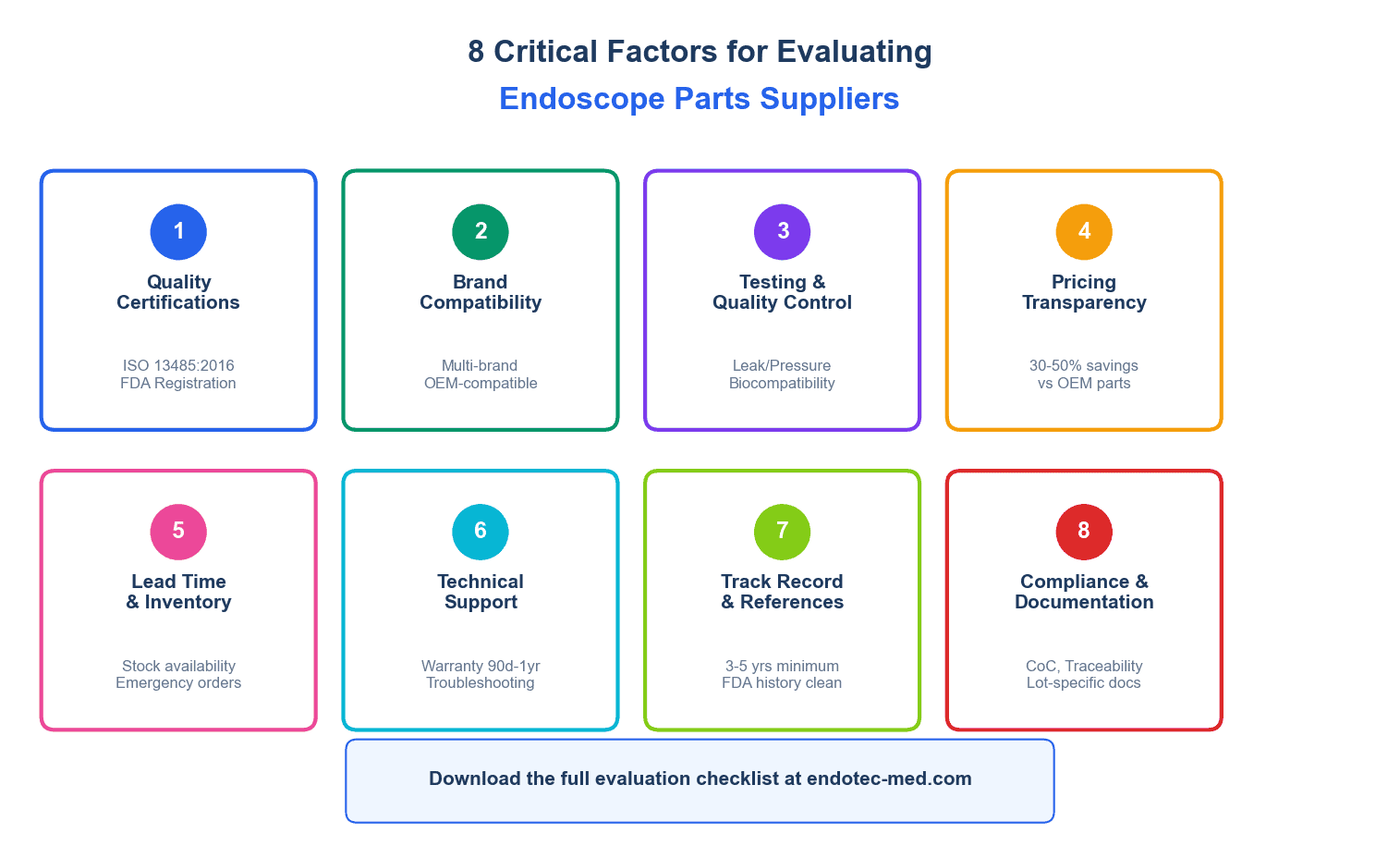
The 8 critical factors framework for supplier evaluation
This guide provides a practical framework for evaluating endoscope spare parts suppliers, drawn from current industry standards, regulatory requirements, and real-world procurement best practices.
Why Supplier Selection Matters in Endoscopy
Choosing the wrong endoscope parts supplier creates problems that extend far beyond the initial purchase price.
Patient safety stands at the forefront. Substandard replacement parts can compromise sterilization effectiveness, increase infection risk, or cause device failure during critical procedures. The FDA considers improper repairs a serious concern, as inadequate components may fail to meet original equipment specifications.
Regulatory compliance issues follow closely. With the FDA’s Quality Management System Regulation (QMSR) taking effect on February 2, 2026, procurement teams must verify that suppliers meet ISO 13485:2016 standards. Non-compliant parts can trigger costly audits, documentation gaps, and potential liability concerns.
Cost implications extend beyond the invoice. Hospital supply costs per patient rose 18.5% between 2019 and 2022, making the “repair over replace” strategy essential. However, poorly manufactured replacement parts lead to premature failures, requiring more frequent repairs and ultimately shortening equipment lifespan. A single endoscope typically costs $30,000 to $50,000, making lifecycle management critical to fiscal health.
Key Takeaway: The wrong supplier doesn’t just cost you money — it can compromise patient safety, trigger regulatory action, and shorten the lifespan of equipment worth $30,000-$50,000 per unit.
Factor 1: Quality Certifications
Quality certifications are the foundation of supplier credibility.
ISO 13485:2016 represents the gold standard for medical device manufacturers and suppliers. Under the new QMSR regulations effective February 2026, this standard is now incorporated by reference into FDA requirements.
However, certification alone provides insufficient assurance. Verify the scope of certification carefully. Suppliers may present a valid ISO 13485 certificate for “plastic injection molding” that does not cover the specific endoscope parts being sourced.
ISO 9001:2015 certification demonstrates fundamental quality management system competence. FDA registration matters for suppliers serving the U.S. market. CE marking proves essential for European market access.
Request certification documents directly and verify them with issuing bodies. Many suppliers like Endotec maintain multiple certifications to serve global markets.
Factor 2: Brand Compatibility Range
Broad brand compatibility indicates supplier expertise and reduces procurement complexity. Leading OEM brands include Olympus, Pentax, Fujifilm, Storz, and others.
Ask suppliers for detailed compatibility matrices specifying model numbers, part numbers, and technical specifications. Vague claims of “universal compatibility” raise red flags.
Multi-brand capability streamlines procurement operations. Working with a single supplier who covers your entire endoscope fleet reduces administrative burden. View our product catalog to assess compatibility with your equipment portfolio.
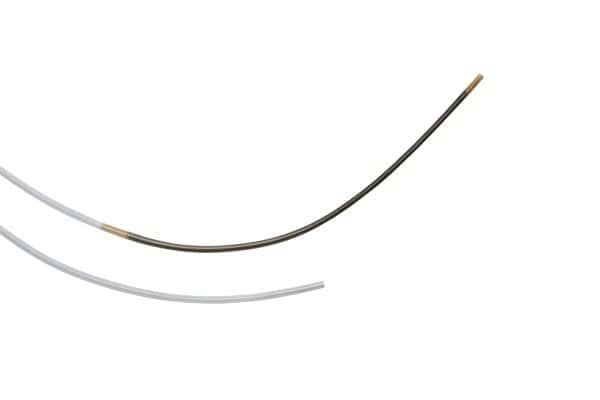
High-quality biopsy channel — verify dimensional specs and material certifications before ordering
Factor 3: Product Testing and Quality Control
Leak testing is the most important quality check for endoscope components. Pressure testing validates component integrity under operational conditions. Material certification confirms biocompatibility and compliance with ISO 10993 standards. Optical performance testing applies to components affecting image quality, verified per ISO 8600 standards.
Request documentation of testing procedures. Credible suppliers maintain standard operating procedures for quality control and can provide test reports for specific batches.
Factor 4: Pricing Transparency
OEM vs. compatible pricing typically shows large variation. Compatible parts from qualified suppliers can offer 30-50% cost savings while maintaining quality standards.
Watch for hidden costs: setup fees, minimum order charges, express shipping premiums, and restocking fees. Minimum order quantities (MOQ) impact cash flow and inventory holding costs. Request detailed quotations showing all cost components.
Factor 5: Lead Time and Inventory
Key components like biopsy channels and insertion tubes should be stocked by reliable suppliers to enable rapid fulfillment.
Standard lead times vary: domestic suppliers typically offer 3-7 day delivery for stocked items, while international suppliers may require 2-4 weeks including customs clearance. Emergency order capability proves essential when unexpected failures occur.
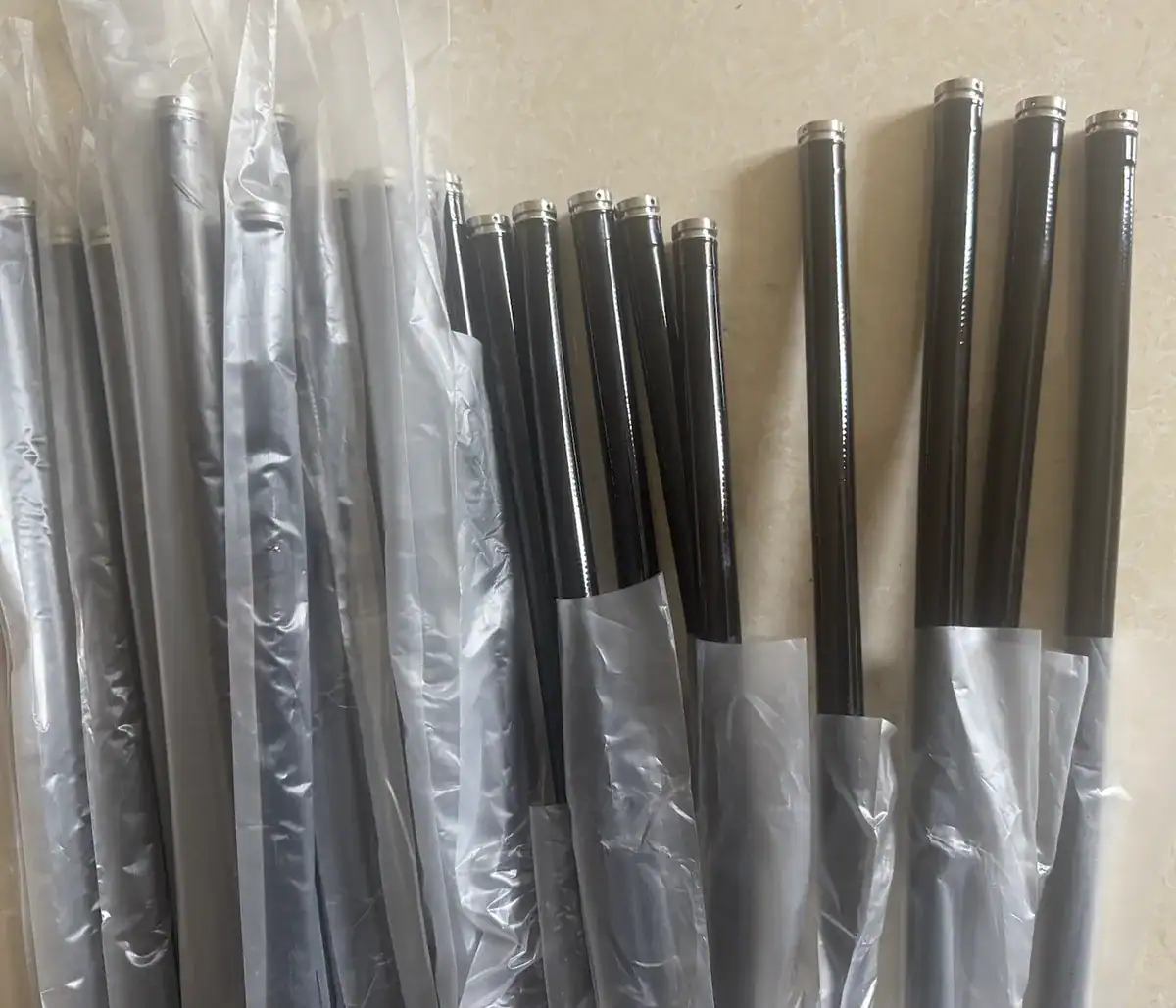
Professional packaging ensures parts arrive safely — assess shipping quality during sample orders
Factor 6: Technical Support and After-Sales Service
Warranty coverage should cover manufacturing defects for 90 days to one year. Technical troubleshooting support helps resolve installation questions and compatibility concerns. Documentation quality impacts usability and regulatory compliance.
Test support quality before committing to large orders. Contact suppliers with specific questions about your equipment models and assess their expertise.
Factor 7: Track Record and References
Years in business indicates stability and accumulated expertise. Reference checks provide unfiltered insights into supplier performance. Regulatory history deserves scrutiny—search FDA warning letters, recalls, and enforcement actions.
Conduct thorough due diligence proportional to the relationship’s strategic importance.
Factor 8: Compliance and Documentation
Certificates of Conformity (CoC) verify that supplied components meet specified requirements. Material traceability enables tracking components from raw materials through manufacturing to final delivery. Lot-specific documentation proves the factory met specifications for your specific batch—make this a condition of payment, not an afterthought.
Supplier Evaluation Checklist
Quality and Compliance
- [ ] ISO 13485:2016 certification (verify scope matches products)
- [ ] ISO 9001:2015 certification
- [ ] FDA registration (if applicable for U.S. market)
- [ ] CE marking for relevant products
- [ ] Documented quality management system
Product Capabilities
- [ ] Compatibility with your endoscope brands and models
- [ ] Complete product specifications provided
- [ ] Biopsy channels in required sizes
- [ ] Insertion tubes for your equipment models
- [ ] Light guide bundles matching specifications
Testing and Quality Control
- [ ] Leak testing procedures documented
- [ ] Pressure testing protocols in place
- [ ] Material biocompatibility certification
- [ ] Batch-specific test reports provided
Pricing and Terms
- [ ] Itemized pricing without hidden fees
- [ ] Reasonable minimum order quantities
- [ ] Acceptable payment terms
- [ ] Competitive pricing compared to alternatives
Supply Chain Performance
- [ ] Stock availability for critical components
- [ ] Lead times align with your requirements
- [ ] Emergency order capability
- [ ] Proven on-time delivery record
Support and Service
- [ ] Warranty terms clearly documented
- [ ] Technical support availability during your hours
- [ ] Complete product documentation
- [ ] Reasonable returns and exchange policy
Track Record
- [ ] Minimum 3-5 years in endoscope parts business
- [ ] Verifiable customer references provided
- [ ] No significant regulatory violations
Documentation and Traceability
- [ ] Certificates of Conformity with each shipment
- [ ] Lot numbers for full traceability
- [ ] Biocompatibility documentation available
- [ ] Batch-specific test reports included
Red Flags to Watch For
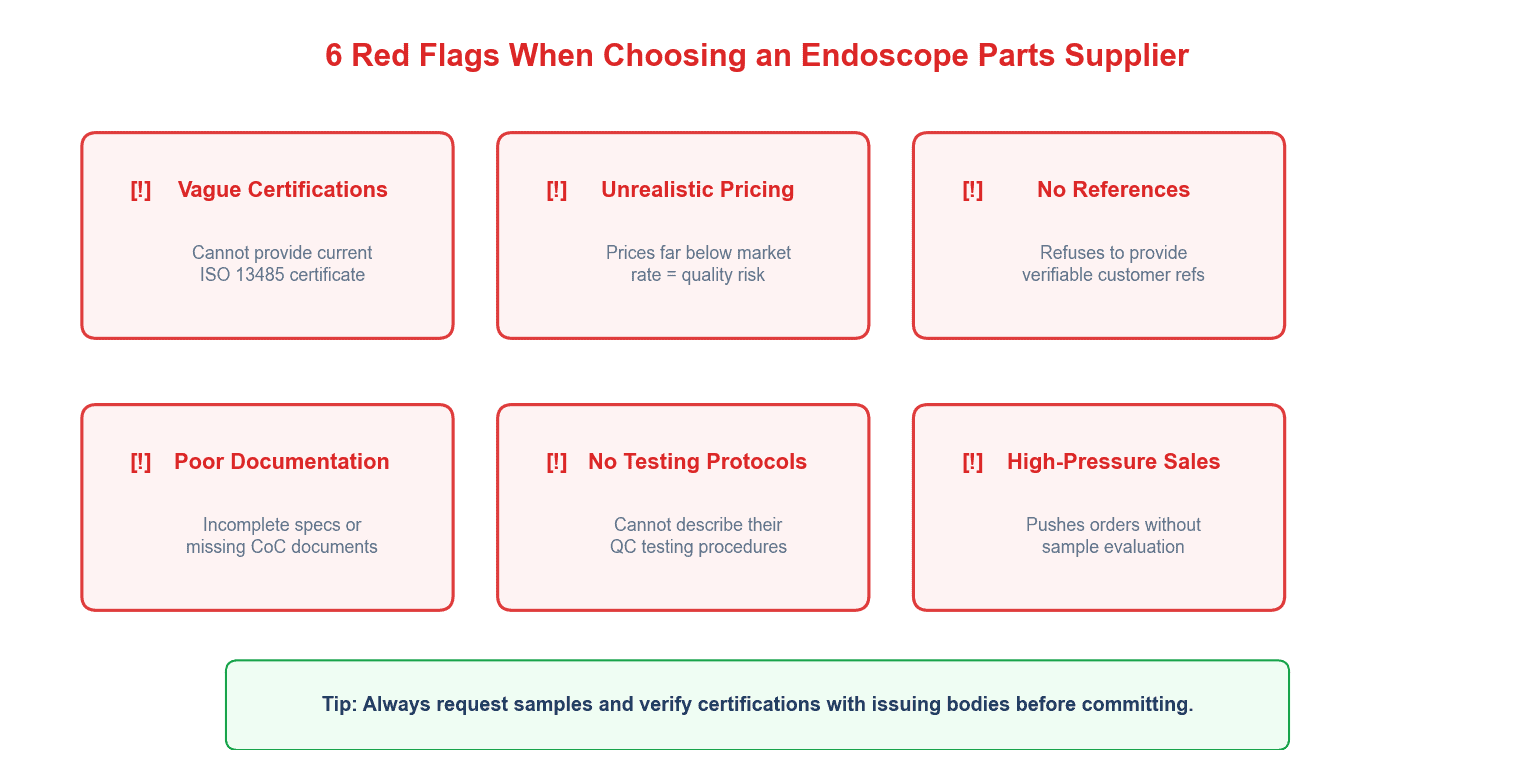
6 warning signs that should trigger deeper investigation or disqualification
Vague or missing certifications. Suppliers unable to provide current ISO 13485 certificates likely lack robust quality systems.
Unrealistically low pricing. Prices well below market rates often indicate compromised quality, substandard materials, or lack of proper testing.
No verifiable references. Legitimate suppliers readily provide customer references from recognized institutions.
Poor documentation quality. Incomplete product specifications or unwillingness to provide certificates of conformity indicate inadequate quality systems.
No testing protocols. Suppliers unable to describe their testing procedures pose unacceptable risks to patient safety.
Pressure to order without evaluation. Legitimate suppliers support thorough evaluation and sample testing.
Pro Tip: Before committing to any supplier, place a small sample order first. Evaluate the parts’ dimensional accuracy, material quality, packaging, documentation, and the supplier’s responsiveness throughout the process. This low-risk trial reveals more than any sales presentation.
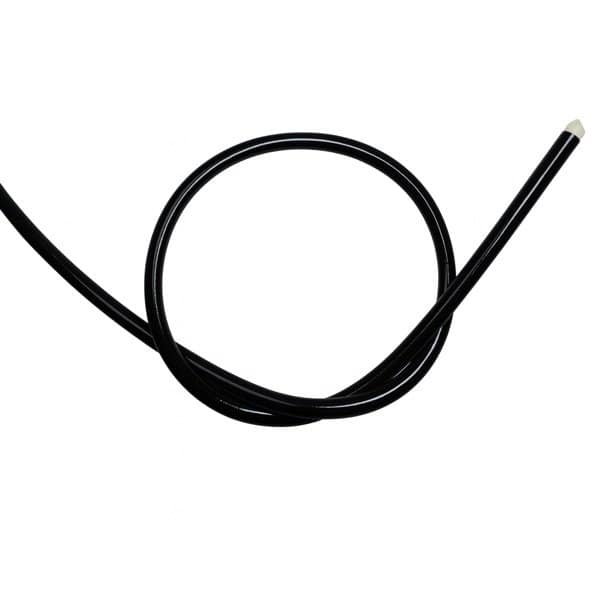
Endoscope light guide tube — verify optical performance meets specifications through testing
Frequently Asked Questions
Q: Should I always choose OEM parts over compatible alternatives?
OEM parts guarantee exact specifications and warranty protection. However, certified compatible parts from ISO 13485-certified suppliers can deliver equivalent performance at 30-50% cost savings. Many hospitals successfully use compatible parts for routine maintenance while reserving OEM parts for warranty-covered repairs.
Q: How do I verify a supplier’s ISO 13485 certification is legitimate?
Request the complete certificate showing the certification body, scope, and expiration date. Verify the certification with the issuing accreditation body directly. Check that the scope specifically covers the products you’re purchasing.
Q: What’s a reasonable lead time for endoscope replacement parts?
Stocked items from established suppliers typically ship within 3-7 business days domestically or 2-4 weeks internationally including customs. Complex custom components may require 4-8 weeks.
Q: How many suppliers should I maintain for critical components?
Maintain a primary supplier for 60-80% of volume to build a strong relationship and leverage volume pricing. Establish qualified backup suppliers for critical components to ensure business continuity.
Q: What documentation should I receive with each shipment?
Standard documentation includes packing lists, certificates of conformity, material traceability with lot numbers, applicable test reports, and material safety data sheets. Establish these requirements in your purchase orders.
Conclusion
Selecting the right endoscope parts supplier requires systematic evaluation across eight key factors: quality certifications, brand compatibility, testing protocols, pricing transparency, supply chain reliability, technical support, track record, and compliance documentation.
The lowest price rarely delivers the best value when patient safety and regulatory compliance are at stake. Focus on total cost of ownership, including quality consistency, delivery reliability, and support quality.
Use the checklist above to evaluate suppliers systematically. The right supplier becomes a strategic partner in maintaining your endoscope fleet, controlling costs, and ensuring patient safety.
Ready to evaluate a supplier that meets these standards? Explore Endotec’s certified endoscope replacement parts or contact our technical team to discuss your specific equipment requirements.
Sources:
